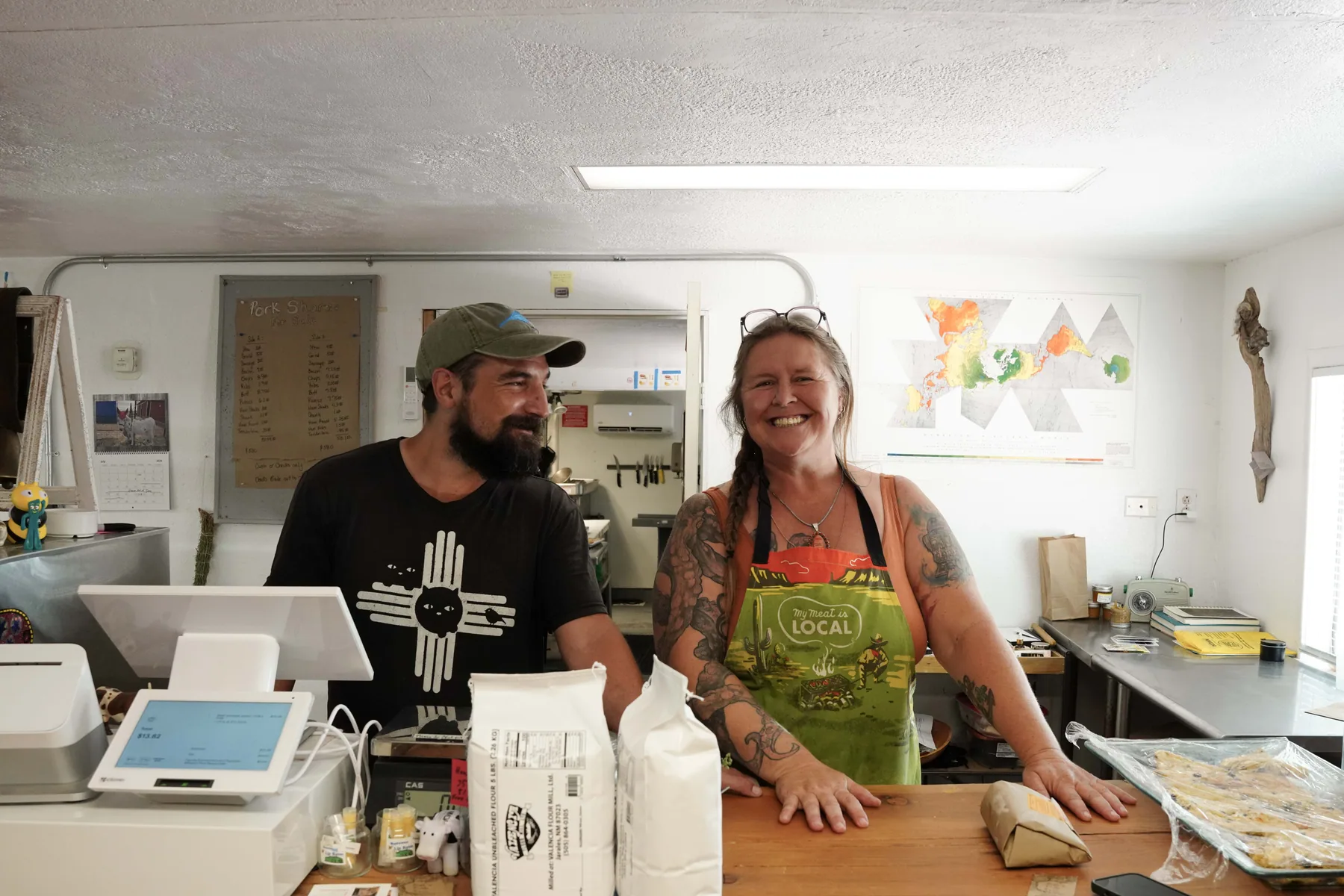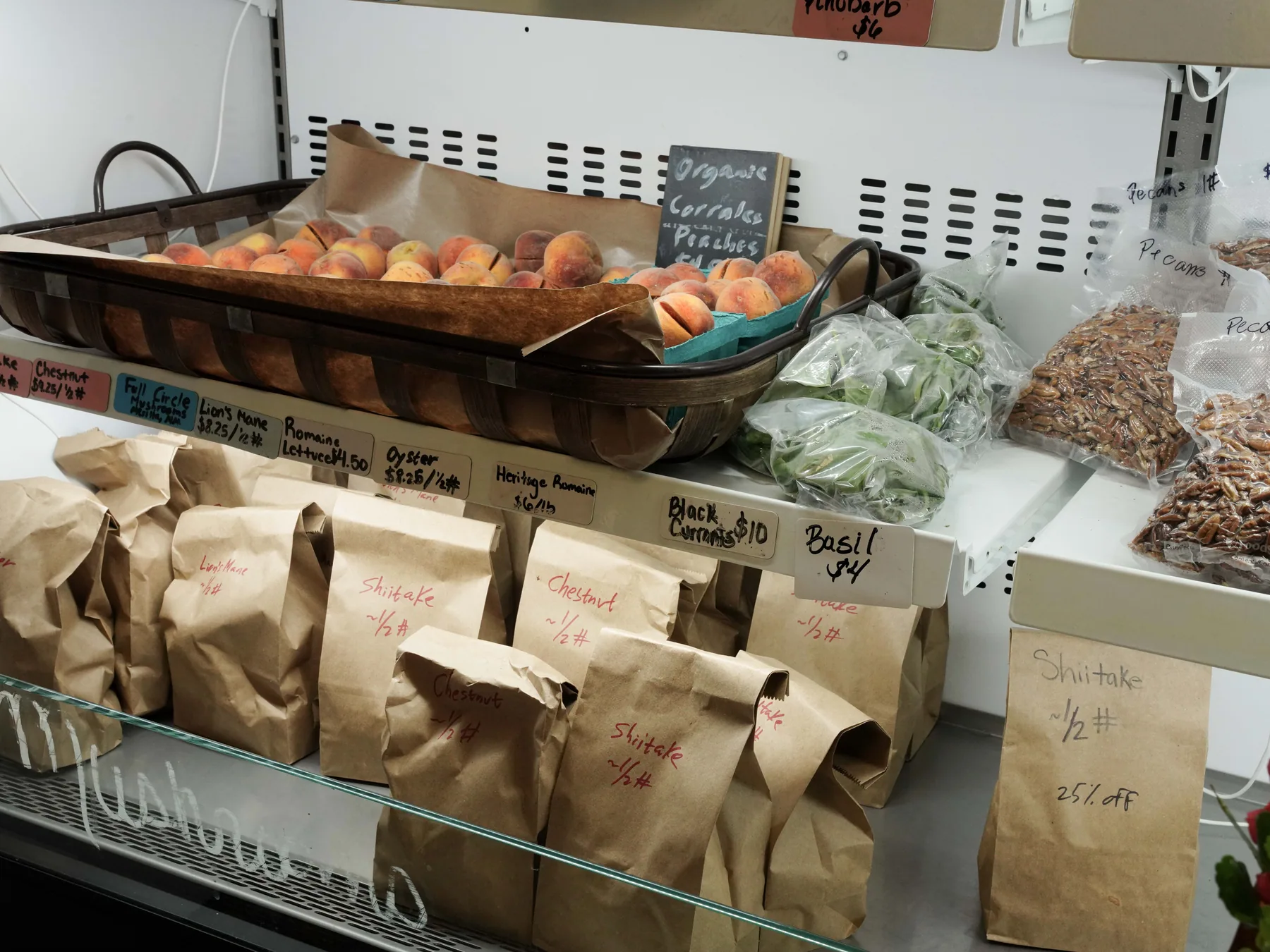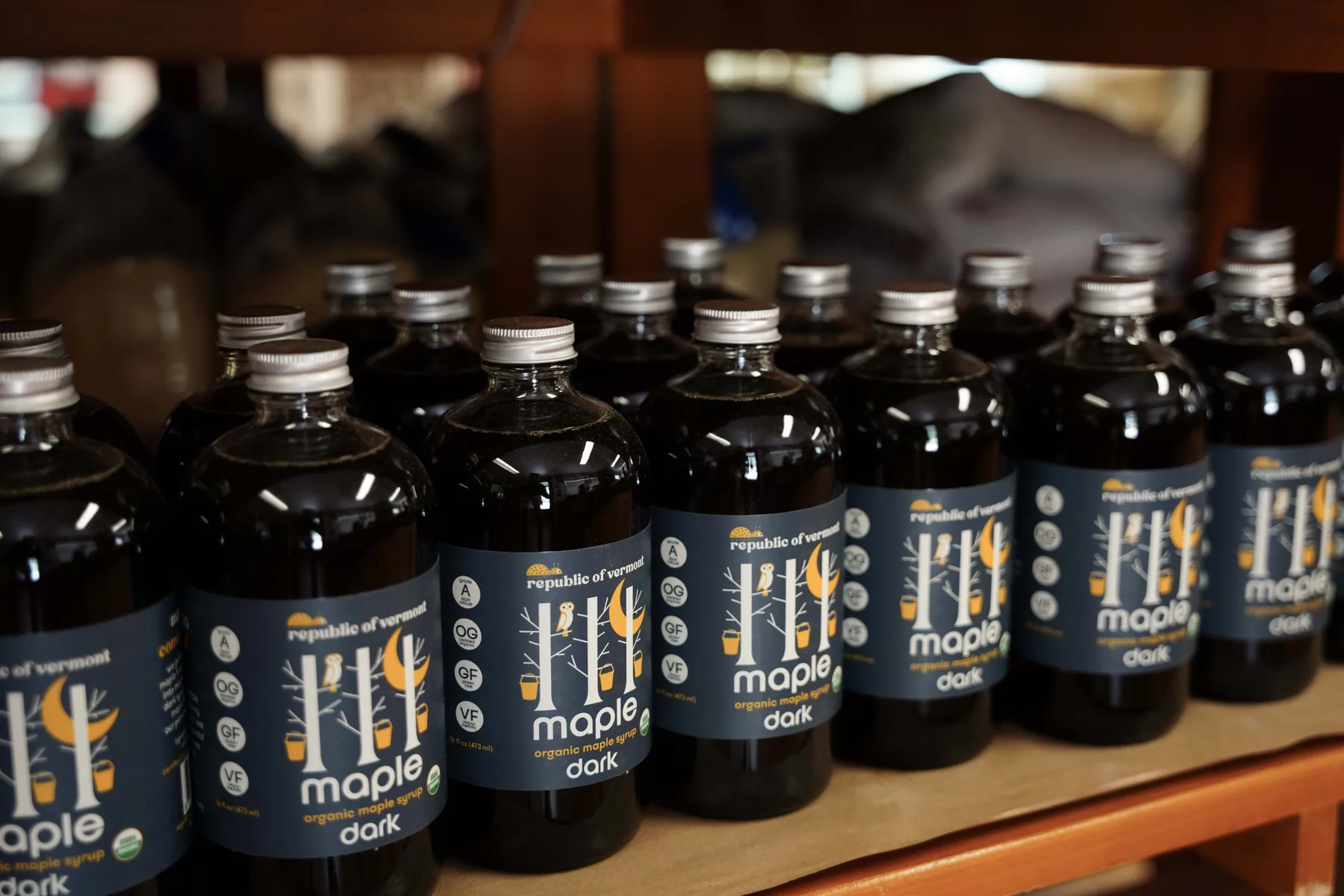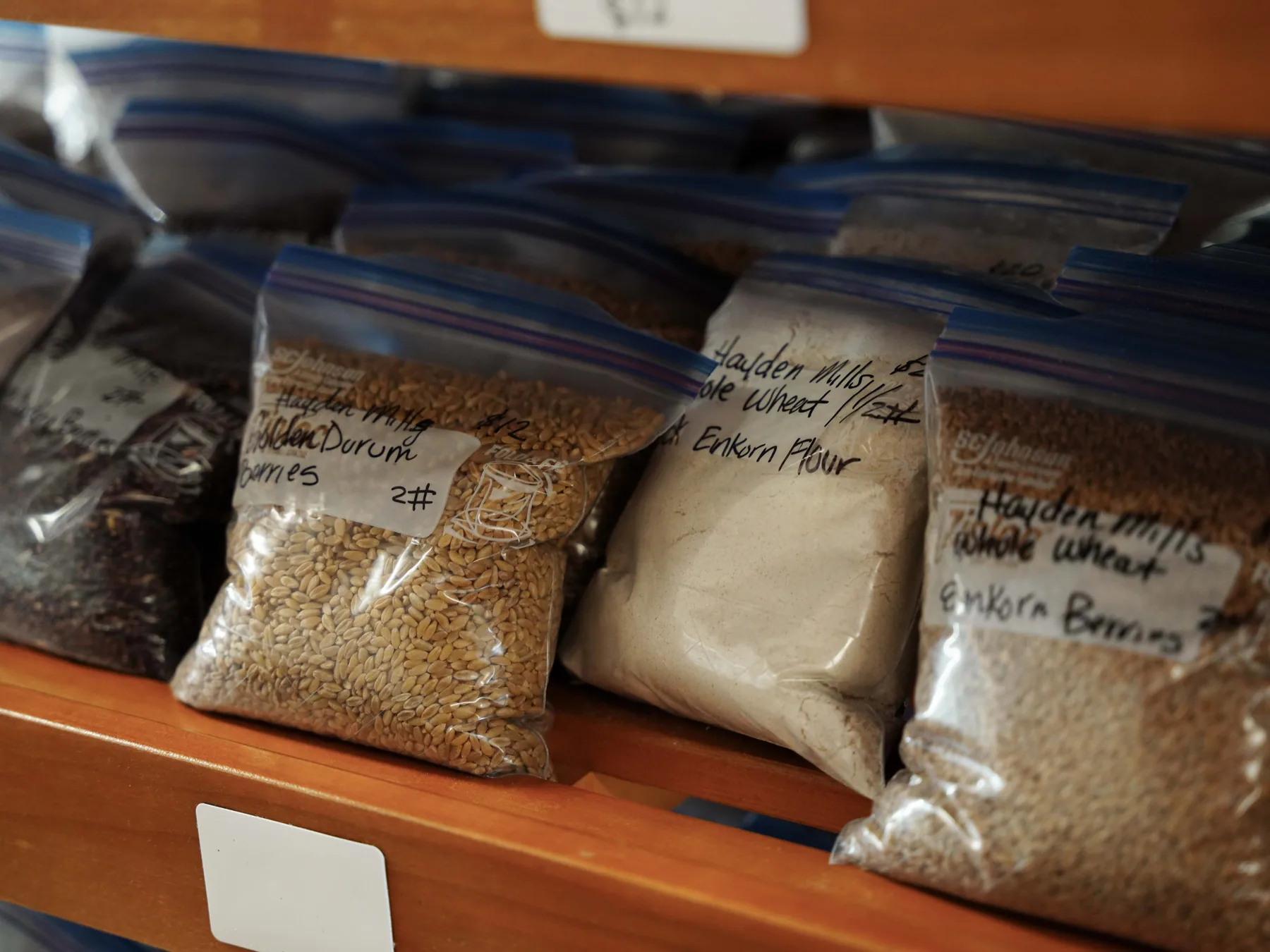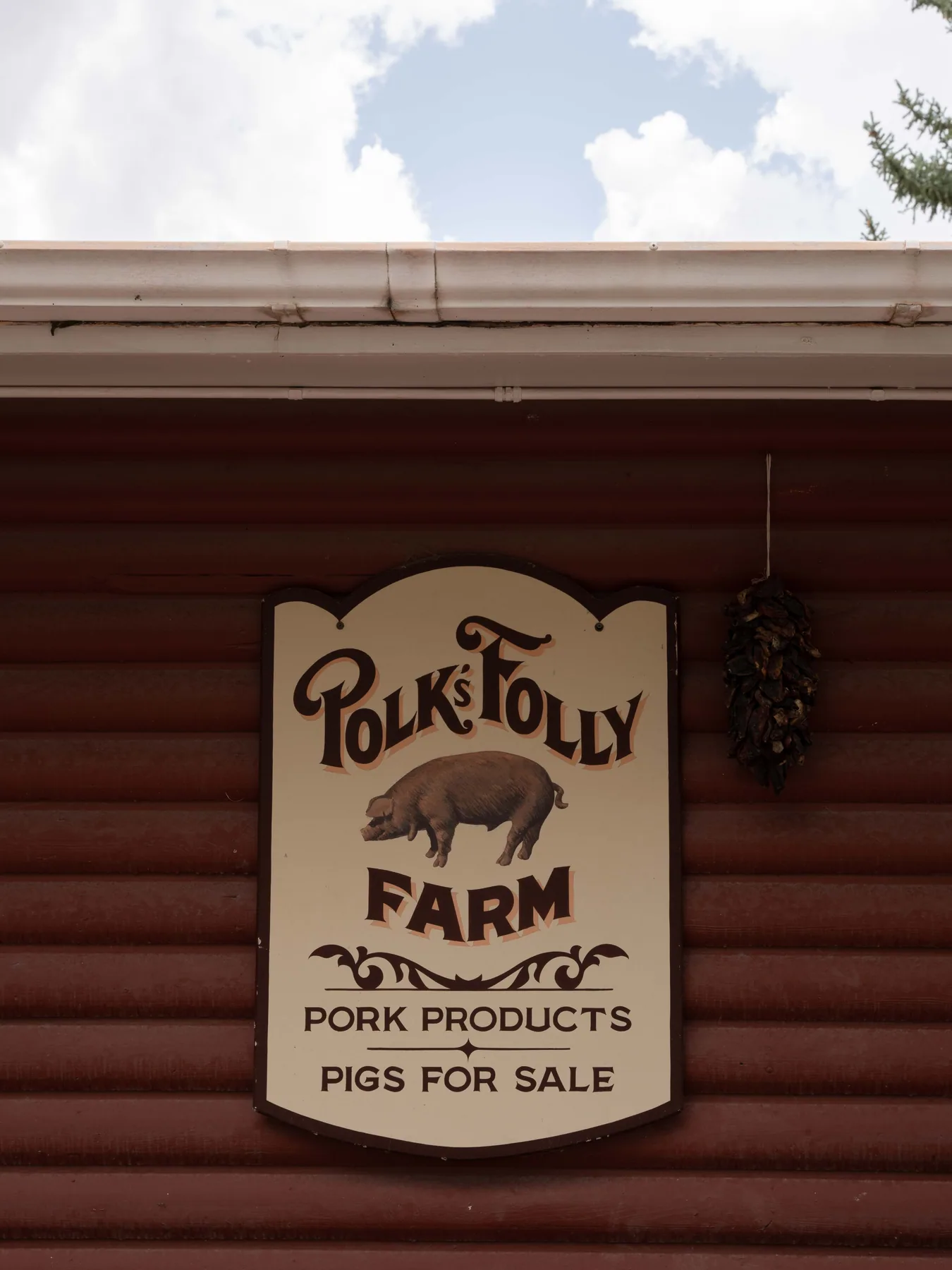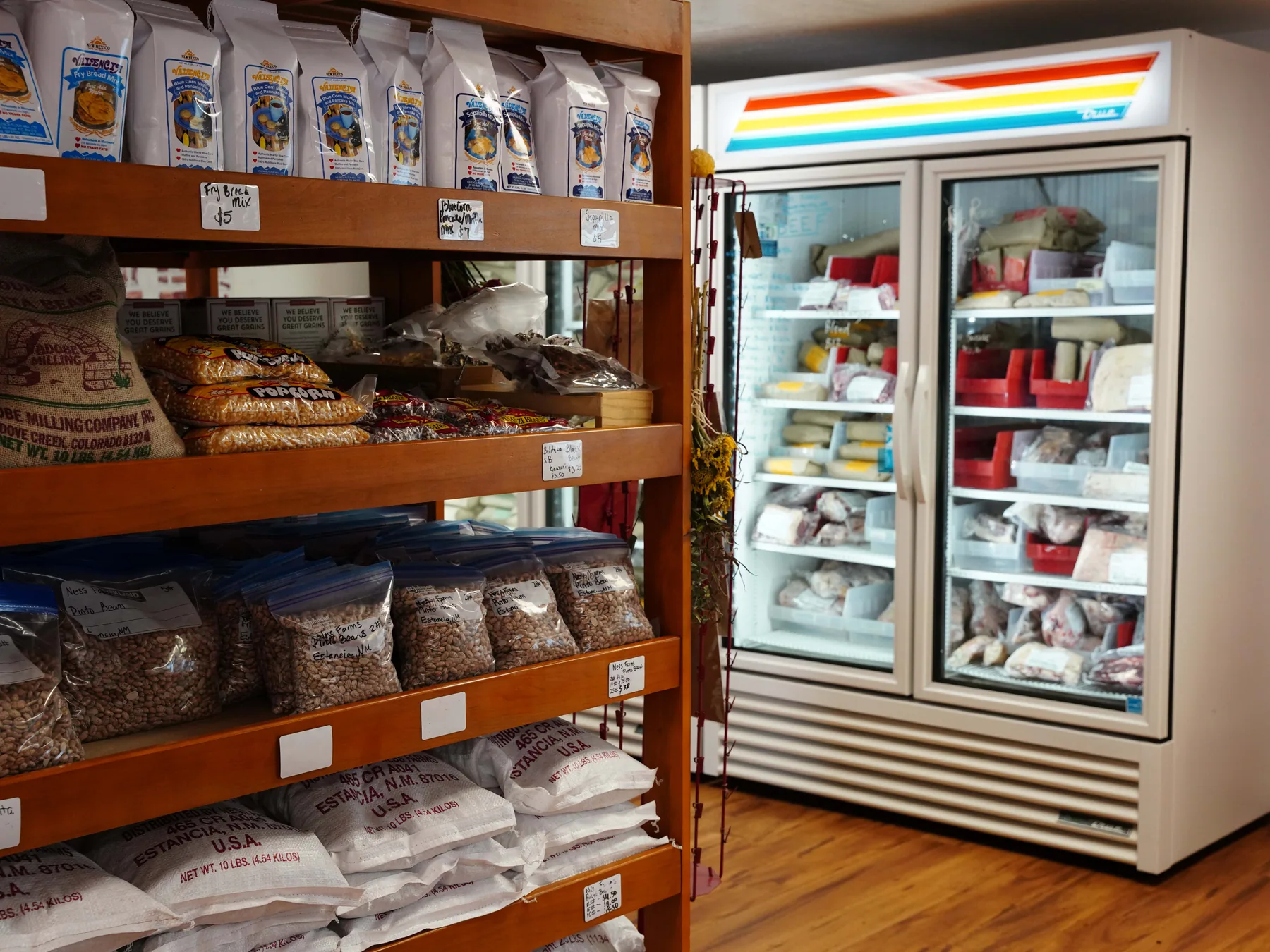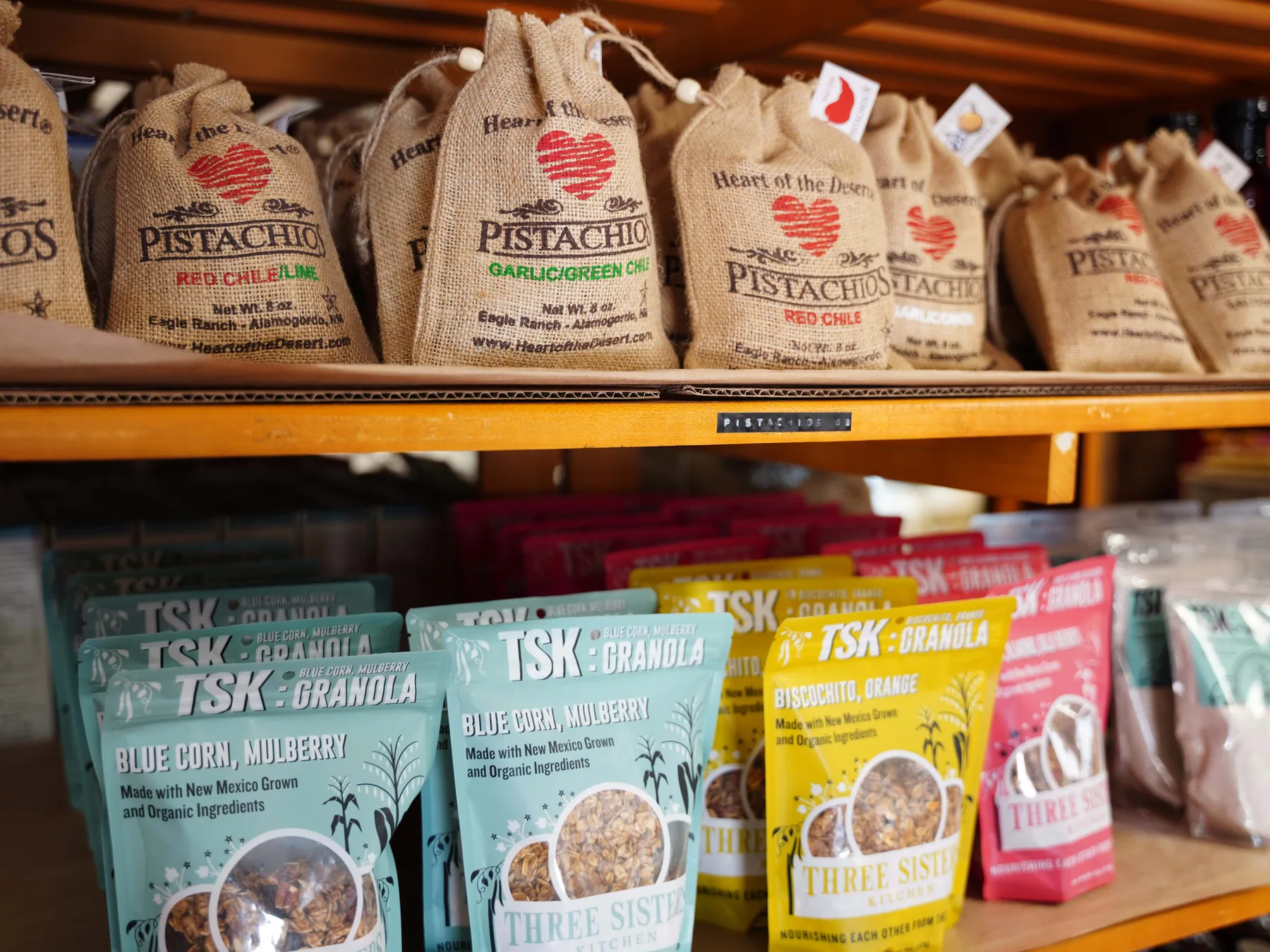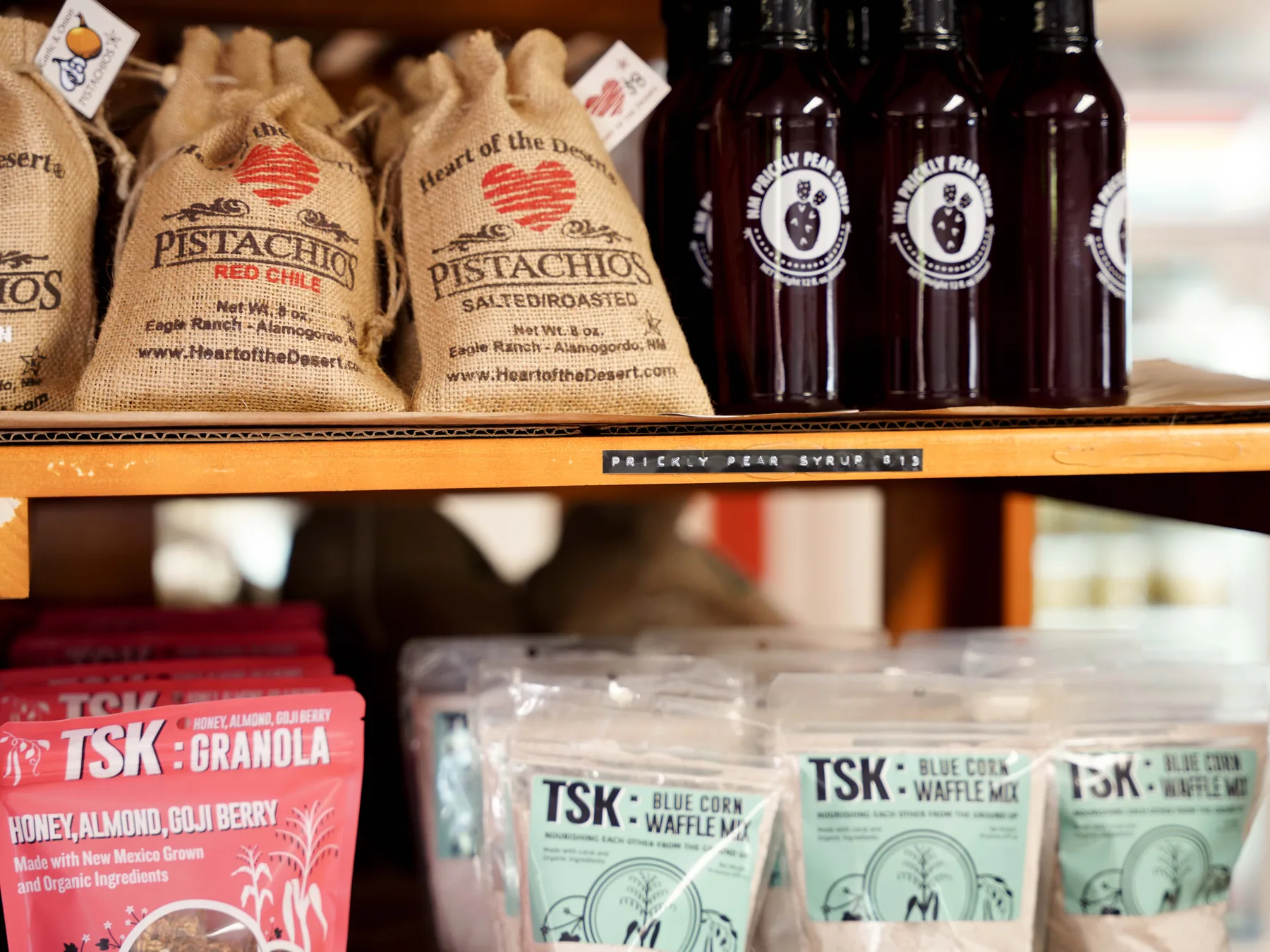
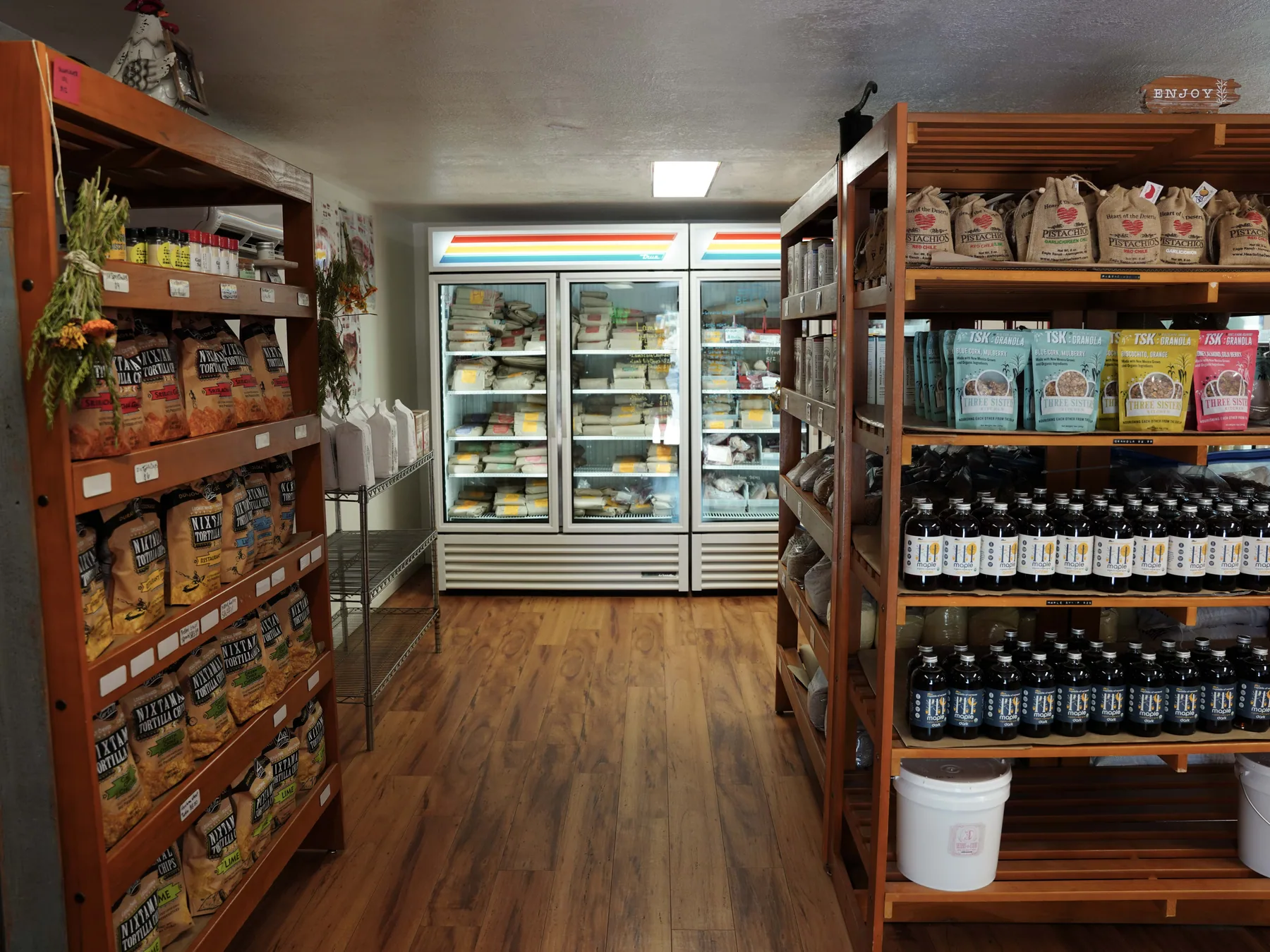
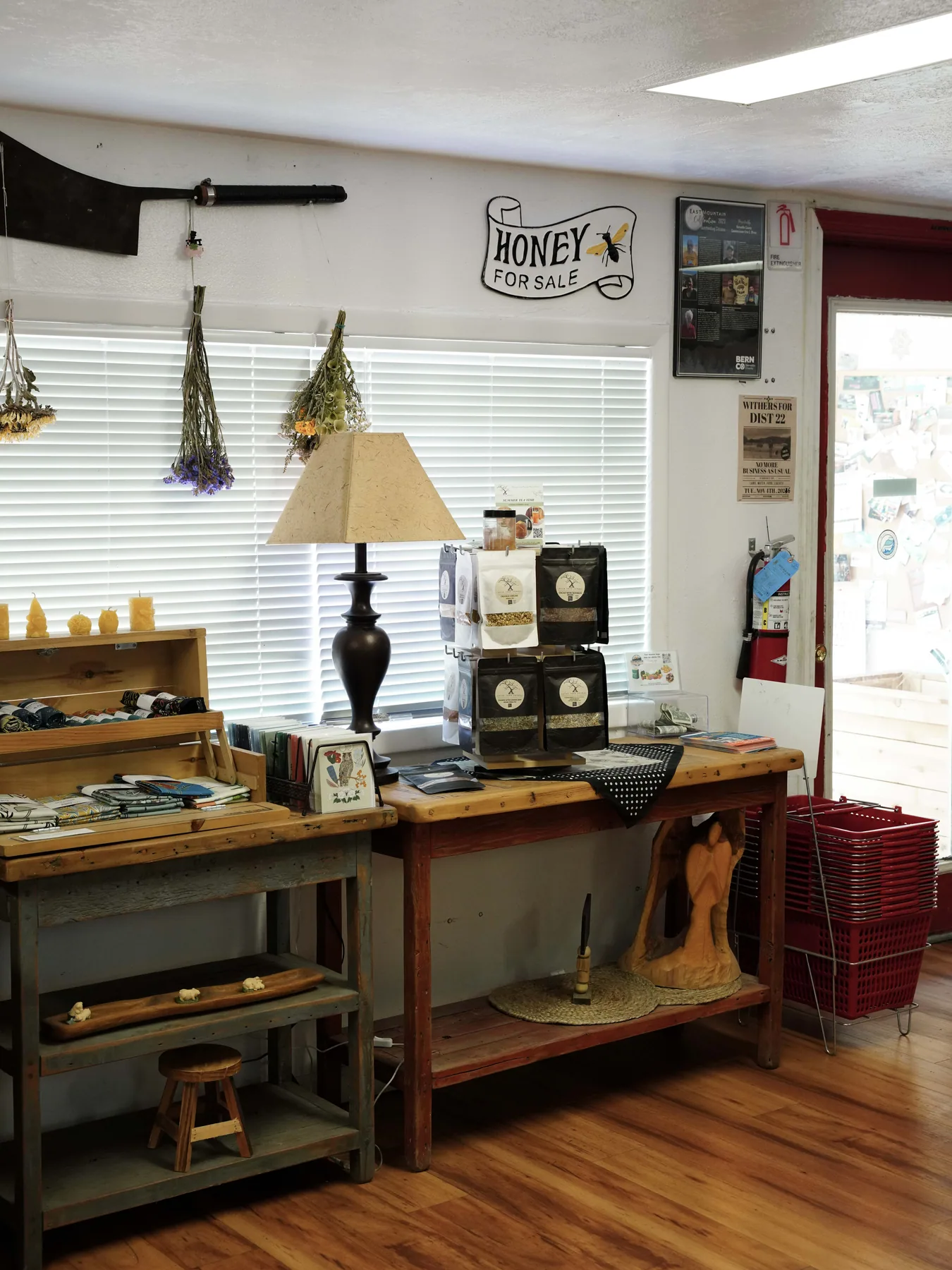
Polk’s Folly opened its farm shop in March 2020. Ethan Withers thought they had put by enough food to last until late summer. Ten days later he was calling every farmer he knew, asking them to bring what they had.
“We thought we had enough products to get us through six months. We ran out in ten days.”
Those relationships had taken years to build. The farm raised pigs partly because it could do so with less water than it would take to grow vegetables at that site. Surplus food went to the pigs. Manure and other material went into compost for the land. Withers describes how grazing and building soil fit into that work, and how much depended on being able to get animals processed.
At one point, pigs had to be hauled to Colorado for slaughter before the meat could be processed close to the farm. That distance tells you something about the cost of keeping food local. The producer still has to find a plant that can take the animals, pay for the trip and make it back in time to do the rest of the work.
By the time Ethan and I spoke, he had stepped away from farming and was keeping the shop going. A customer could ask him who had raised the meat. He could answer because he knew the people he was buying it from.
When Ethan talked about belonging to a place, he said, “We belong to it. It does not belong to us. It is not here to take care of us. We are here to take care of it.” I thought back to those phone calls in March. When he needed food for the shop, he already knew who to call.
About the work
- The need
- A local market for growers and a place to learn where food comes from
- What changed
- The shop called on growers it knew when it ran out of stock early in the pandemic. The shop continued after Ethan stepped away from farming.
- What’s still difficult
- Land, water and processing access determine how much of the farm-to-shop work can stay local.
Interview
Why the store exists
Tina Trout What needs in your community does this work help meet?
Ethan Withers I feel like we create a safe space for people to come and explore and, if they want to, connect to their food on a much deeper level. We try to provide products, education and a community feel.
Ethan Withers Getting to know people is also getting to know producers, whether it be ranchers or farmers. What do you need to feel supported? What do you need to feel like you can continue to do the work that you do to take care of your land, your extended community and your family? It all starts at the health of the soil.
The relationships it depends on
Tina Trout What relationships must exist for this work to happen successfully?
Ethan Withers All the connections are very important. There are gaps in the system, and there are parts that are absolutely broken. There needs to exist the relationship between the farmer and the land. Having land access is a very big problem for a lot of up-and-coming farmers.
The processing bottleneck
Tina Trout What tensions or obstacles have been the most difficult to navigate?
Ethan Withers Having good relationships with the processor. You have very few options. Sometimes you jive with people, and sometimes you don’t. Sometimes you end up having to work with people you would rather not work with, but you don’t really have a choice.
Ten days of stock
Ethan Withers We moved into the front part on March 1, 2020. We thought we had enough products to get us through about six months. We ran out in ten days. We called every single farmer we knew. We said, bring us what you have. Do you know other people who have food? We probably had to do about five years of growth in the course of about six months.
[…]
Ethan Withers I’ve had to take control of this and recenter and refocus. We’re keeping it to the basics. What do people want? What do people need? What can we source locally?
Who has benefited
Tina Trout What exists today because of this work that didn’t exist before, and who has benefited?
Ethan Withers I don’t know if we can really take that much credit for what has grown. I helped Liz get started. We helped Kate and Stella get started. We got a lot of people into farming.
Belonging to a place
Ethan Withers Something that society has greatly lost over time is connection to place and a sense of belonging. We belong to it. It does not belong to us. It is not here to take care of us. We are here to take care of it.
Closing reflection
Tina Trout Would you finish the sentence “All is in the small because…”?
Ethan Withers Buckminster Fuller has this concept of synergetics. What does it mean for something to be synergistic? A whole is made up of parts, but the whole is not the combined function of all of its parts. It is something entirely different. Pieces come together and make something bigger than itself. It takes all the small pieces doing their things in their exact way, and it doesn’t make what you think it would.
More from Kiara’s visit 8 photographs